
The 2026 FIFA World Cup brought nations together in celebration. For many of us, it was a time of excitement, unity and shared joy. Yet, behind the celebrations, another story unfolded—one that was both disturbing and heartbreaking.
According to a Women’s Aid Instagram post published on 29 July 2026, official figures from the UK Football Policing Unit showed that 384 domestic abuse incidents were recorded during the tournament, representing a 223% increase compared with the previous World Cup and the highest level ever recorded.
These figures should concern every one of us. They raise difficult questions. If reports increase so dramatically over a few weeks during a major sporting event, what happens throughout the rest of the football season? More importantly, how many incidents of abuse never reach the police at all?
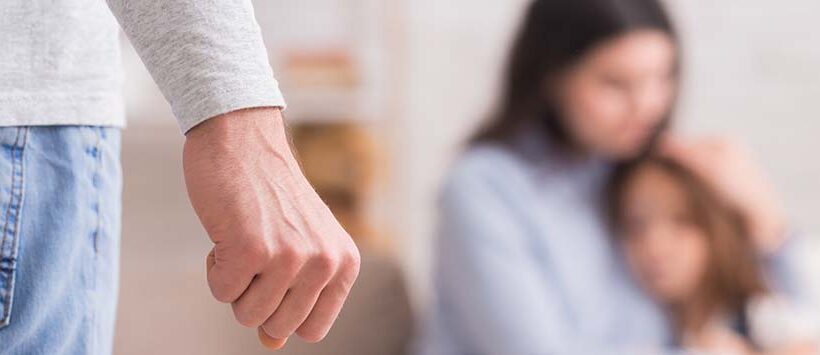
Domestic abuse is not simply a private family matter. It is a societal problem that destroys lives, devastates families and leaves emotional scars that often last a lifetime.
Abuse Begins Long Before the Headlines
Earlier this month, BBC News reported on a group of teenage girls from Tyneside who courageously spoke about the misogyny they face every day at school and online.
The girls described feeling “worthless” and “frightened” after enduring constant sexist abuse. They created a film exposing the misogynistic language that had become so commonplace that many dismissed it as “just banter.”
Some spoke of receiving rape threats. One student recalled discovering that boys at her school had created what they called a “rape list.” Their testimonies reveal something deeply troubling: attitudes that normalise violence against women and girls often begin long before adulthood.
Their courage reminds us that abuse is not confined to homes. It can take root in classrooms, online spaces, workplaces, religious institutions and communities – if left unchallenged.
A Hidden Crisis
For many years, domestic abuse remained largely hidden from public view. Victims often suffered in silence because of fear, shame or the belief that no one would believe them.
The global #MeToo movement helped bring many of these hidden stories into the light. Survivors began speaking openly about abuse, coercion and exploitation across different sectors of society. Since then, greater public awareness has encouraged more victims to seek justice.
Yet despite this progress, countless survivors remain unheard.
Recent years have exposed numerous cases involving abuse within institutions, families and communities. Investigations into child sexual exploitation, abuse within religious settings and high-profile criminal cases have all revealed how abuse can continue for years before anyone intervenes.
These cases remind us that abuse is not confined to one culture, race, religion or social class. It exists in every society.
Abuse Knows No Boundaries
Domestic abuse affects people from every background.
It occurs in wealthy nations and developing countries alike. It happens in cities and rural communities. It affects educated professionals as well as those living in poverty.
Across the world, harmful cultural attitudes, unequal power dynamics and deeply rooted misogyny continue to contribute to violence against women and girls.
While laws differ between countries, one painful reality remains the same: survivors are too often blamed instead of perpetrators.
Fear of stigma, rejection and shame keeps many victims trapped in silence.
My Story
This issue is deeply personal to me.
I come from a large African family. My father had thirteen wives and over fifty children. My mother gave birth to five of us, and I am her first child and eldest daughter.
Growing up, I witnessed domestic violence on many occasions. Like many children, I absorbed messages that husbands had the right to discipline their wives. Yet even as a young girl, something inside me resisted that belief.
Watching my mother endure abuse—and becoming a target myself on occasions—shaped my life. I made a promise to myself that I would never accept violence in any relationship.
That promise eventually became something much greater: a determination to stand alongside others who have experienced abuse and to help them find hope again.
What I Witnessed as a Caseworker
Years later, while working within the prosecution service, I encountered some of the most heartbreaking cases imaginable.
Many involved rape and serious sexual assault.
The cases that affected me most were those involving children abused by people they should have been able to trust—their fathers, stepfathers or other family members.
Some perpetrators deliberately formed relationships with mothers simply to gain access to their children.
One case involved a young pastor’s daughter who was gang raped and left for dead. She required reconstructive surgery because of the severity of her injuries.
These are stories that never leave you.
Behind every case file is a human being whose life has been changed forever.
The Lasting Impact of Abuse
Domestic abuse is not limited to physical violence.
It includes:
- Physical abuse
- Sexual abuse
- Emotional abuse
- Psychological abuse
- Coercive and controlling behaviour
- Financial abuse
- Stalking and intimidation
- Misogynistic behaviour
Abuse can occur between partners, former partners and family members. It can also be perpetrated by people in positions of trust, including carers, employers, teachers or religious leaders.
Its effects are often invisible.
Many survivors carry years of trauma, anxiety, depression, fear and shame long after the abuse has ended.
Why So Many Stay Silent
One of the greatest tragedies is that many survivors never tell anyone.
In some cultures, victims fear bringing shame upon their families.
Others worry they will not be believed.
Some are financially dependent on their abusers.
Others have simply been controlled for so long that they no longer believe escape is possible.
I have listened to women who have never disclosed sexual abuse to their husbands or closest relatives because they fear rejection and judgement.
No one should have to carry such pain alone.
Why Chosen and Beloved Exists
Chosen and Beloved was born from this reality.
It exists because I know what abuse feels like—not only as someone who witnessed it growing up, but also as someone who experienced abuse by a trusted family member after arriving in the United Kingdom at the age of seventeen.
I know the shame.
I know the silence.
I know the loneliness.
But I also know healing.
There came a point in my own life when I experienced hope, restoration and freedom from the trauma that had weighed me down for many years.
That journey transformed my life.
Today, together with my sisters at Chosen and Beloved, we are committed to helping other women and families experience that same hope.
Our vision is to see women, girls and families healed, empowered and restored—free from the impact of abuse and able to live safe, fulfilled and hopeful lives.
Through compassionate care, advocacy, education, partnership and practical support, we seek to help survivors rebuild their lives and access the services they need for a brighter future.
We offer a listening ear, encouragement, signposting, referrals and practical support, while working alongside many outstanding organisations already serving survivors across the United Kingdom.
There Is Hope
Domestic abuse has spread through every society like a cancer.
But cancer is something we fight.
We expose it.
We treat it.
We support those living with it.
Domestic abuse deserves the same determination.
Every survivor deserves to be heard.
Every perpetrator should be held accountable.
Every community has a responsibility to challenge attitudes that tolerate abuse.
Most importantly, every victim deserves hope.
If you are experiencing abuse—or if you know someone who is—you are not alone.
Please reach out.
There are organisations, charities and professionals ready to help. Chosen and Beloved would be honoured to walk alongside you on your journey towards healing, restoration and freedom.
Together, we can ensure that silence no longer protects abuse, but that compassion, justice and hope become louder than fear.
Remain blessed,
Toun Balogun